TJA1050 vs SN65HVD230: 5 V vs 3.3 V CAN Transceiver Compared
TJA1050 and SN65HVD230 compared: 5 V vs 3.3 V supply, pin 8 silent mode vs slope control and standby, bus fault limits, and whether they can share a CAN bus.
- CAN
- Interface
- Comparison
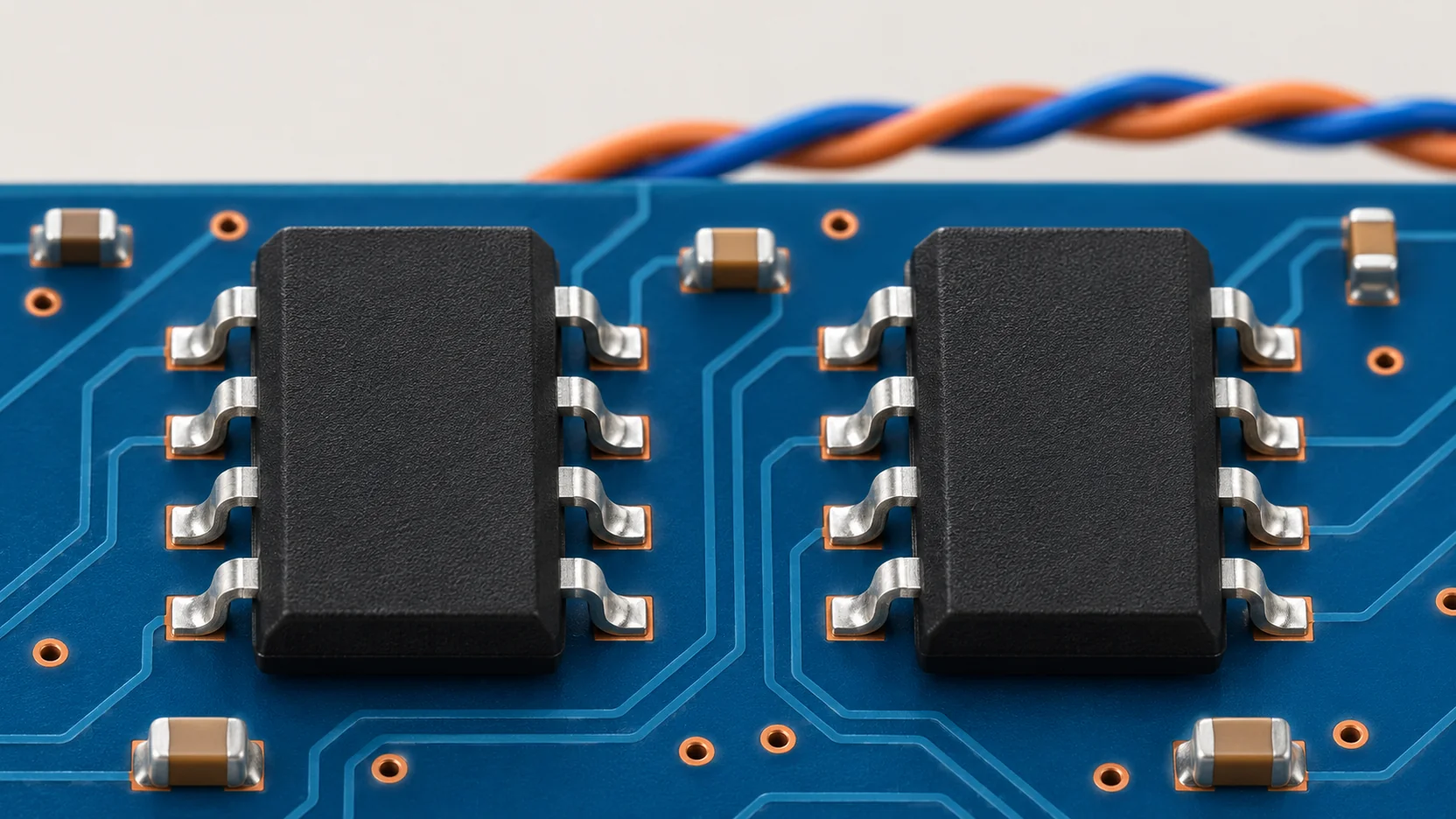
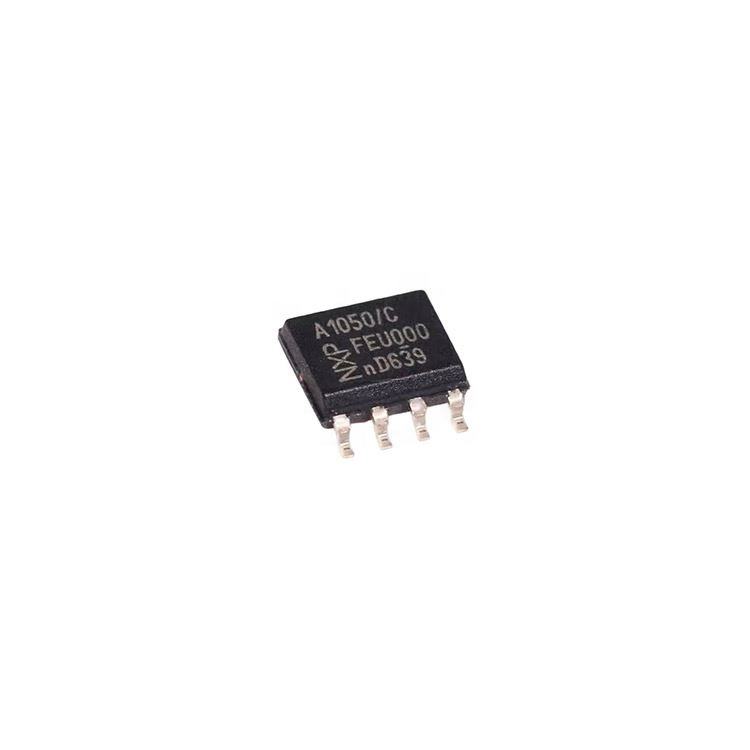
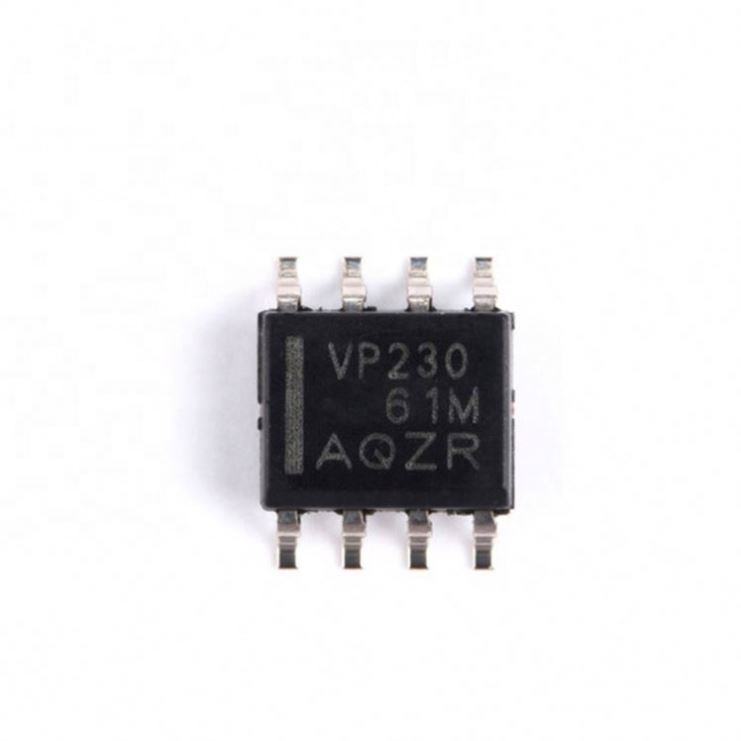
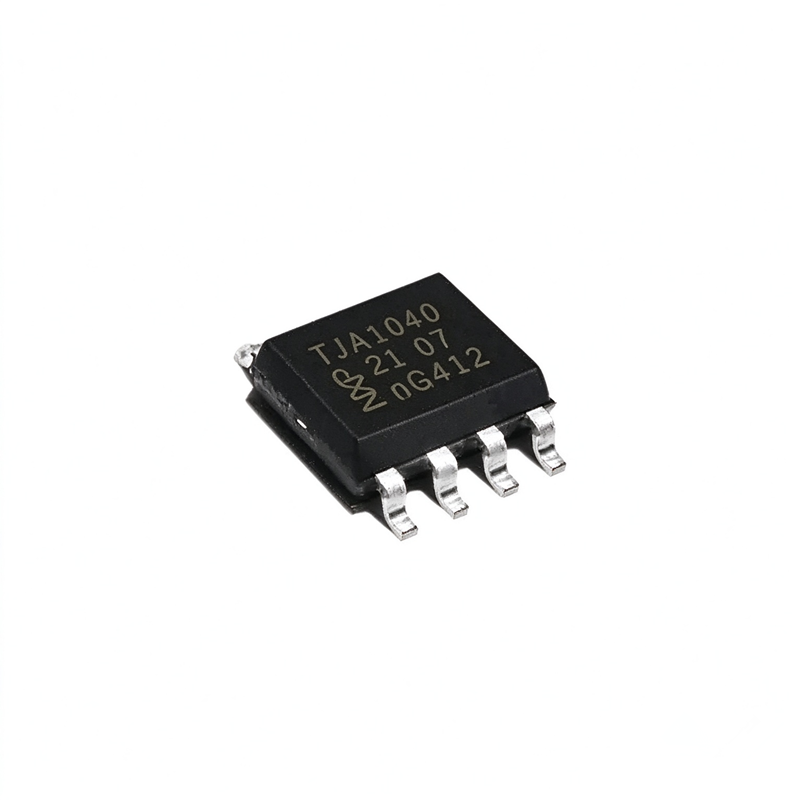
The NXP TJA1050 and the TI SN65HVD230 are two of the most common high-speed CAN transceivers. Both are 8-pin parts for ISO 11898 networks at up to 1 Mbit/s, and both appear on countless MCU boards and industrial nodes. The main difference is the supply: the TJA1050 is a 5 V part and the SN65HVD230 is a 3.3 V part. That one difference drives most of the design decisions below.
Short answer: choose the SN65HVD230 when your board only has a 3.3 V rail and a 3.3 V MCU; choose the TJA1050 (or its successor, the TJA1051) when a 5 V rail is available and you want wider bus fault protection. Both can share the same CAN bus. They are not drop-in replacements for each other, because the supply voltage and the function of pin 8 differ.
Key Specifications Side by Side
| Parameter | TJA1050 | SN65HVD230 |
|---|---|---|
| Supply voltage | 4.75 V to 5.25 V | 3.0 V to 3.6 V |
| Data rate | Up to 1 Mbit/s | Up to 1 Mbit/s |
| Pin 5 | Vref output (0.5 × VCC) | Vref output (VCC / 2) |
| Pin 8 | S: high-speed or silent mode | Rs: high-speed, slope control or standby |
| Low-power mode | None (silent mode only disables the transmitter) | Standby, 370 µA typical |
| Slope control | No | Yes, 10 kΩ to 100 kΩ from Rs to GND |
| CANH / CANL DC limits | −27 V to +40 V | −4 V to +16 V |
| ESD (HBM) | ±4 kV, all pins | ±16 kV on bus pins, ±4 kV all pins |
| TXD dominant time-out | Yes | Not listed |
| Package | 8-pin SO (SOT96-1) | 8-pin SOIC |
Values are from the NXP TJA1050 and TI SN65HVD23x datasheets. Confirm details against the current datasheet for your exact ordering code.
Supply Voltage and the MCU Interface
The TJA1050 needs a 5 V supply. Its TXD input accepts 3.3 V logic (the high-level threshold is 2.0 V), but its RXD output swings up to the 5 V supply. If your MCU pins are not 5 V tolerant, you need a level shifter or divider on RXD. The SN65HVD230 runs from 3.3 V, so both D and R connect directly to a 3.3 V MCU without extra parts. For boards built around a 3.3 V MCU without a 5 V rail, this is usually the deciding factor.
Pin 8: Silent Mode vs Slope Control and Standby
On the TJA1050, pin 8 (S) selects high-speed mode when low and silent mode when high. In silent mode the transmitter is off but the receiver keeps working, which is useful for listen-only diagnostics. There is no low-power standby mode.
On the SN65HVD230, pin 8 (Rs) has three uses. Tied to ground, it selects high-speed mode. A 10 kΩ to 100 kΩ resistor to ground selects slope control, which slows the bus edges to reduce emissions. Pulled up to VCC, it puts the device in standby, where the driver is off and the supply current falls to about 370 µA typical.
This is why the two parts are not drop-in replacements: firmware or a resistor that drives pin 8 for one part gives a different result on the other.
Robustness on the Bus
The TJA1050 bus pins withstand −27 V to +40 V DC, which covers short circuits to a 12 V or 24 V battery line. The SN65HVD230 bus pins are rated −4 V to +16 V, so a short to a 24 V supply exceeds the rating. In vehicles or industrial wiring where CAN lines can touch a supply rail, add protection or choose a transceiver rated for the fault voltage. The SN65HVD230 has a high ±16 kV HBM ESD rating on its bus pins.
Can They Share the Same Bus?
Yes. Both meet the ISO 11898-2 physical layer, and the CAN receivers read the differential voltage, which is the same for 3.3 V and 5 V transceivers. TI documents interoperability between its 3.3 V CAN transceivers and 5 V transceivers in application note SLLA337. The common-mode level of the bus shifts slightly when nodes with different supplies transmit, which can raise emissions; split termination helps.
Which One to Choose
- 3.3 V-only board: SN65HVD230. No level shifting, plus standby and slope control.
- 5 V system or exposed wiring: TJA1050 family, for the wider bus fault range. For new designs, look at the TJA1051, because several TJA1050 ordering codes are listed as Last Time Buy.
- Automotive qualification needed: check the AEC-Q100 status of the exact ordering code. TI offers Q1 versions of the SN65HVD230, such as SN65HVD230QDRQ1.
- CAN FD: neither part is specified for CAN FD data rates. Choose a CAN FD transceiver such as the TJA1051, TJA1042 or TJA1463.
FAQ
Can I replace a TJA1050 with an SN65HVD230?
Only with board changes. The SN65HVD230 needs a 3.3 V supply instead of 5 V, and pin 8 controls slope and standby instead of silent mode. Check the bus fault voltage your design must survive, since the SN65HVD230 is rated to +16 V on the bus pins.
Can a 3.3 V MCU drive the TJA1050?
The TXD input accepts 3.3 V logic, but RXD outputs a 5 V level. Use a 5 V tolerant MCU pin or add a level shifter or divider on RXD.
Do the TJA1050 and SN65HVD230 support CAN FD?
No. Both are specified up to 1 Mbit/s for classical CAN. For CAN FD, use a CAN FD transceiver.
Is the TJA1050 still available?
Distributor data lists several TJA1050 ordering codes, such as TJA1050T/CM,118, as Last Time Buy. Our TJA1050 replacement guide compares the successors.
Summary
The TJA1050 and SN65HVD230 do the same job at different supply voltages. The SN65HVD230 suits 3.3 V boards and adds standby and slope control; the TJA1050 suits 5 V systems and tolerates larger bus faults. Both can share a bus, but they are not drop-in replacements because of the supply and pin 8.
Need either transceiver, or a replacement for the TJA1050? Request a quote or send your BOM and we will check availability for both.