TJA1050 Replacement: Choosing a CAN Transceiver Today
Some TJA1050 ordering codes are Last Time Buy. Compare TJA1051, TJA1042, TJA146x and SN65HVD230 as replacements, and the pin 5 and 8 details to check.
- CAN
- Interface
- NXP
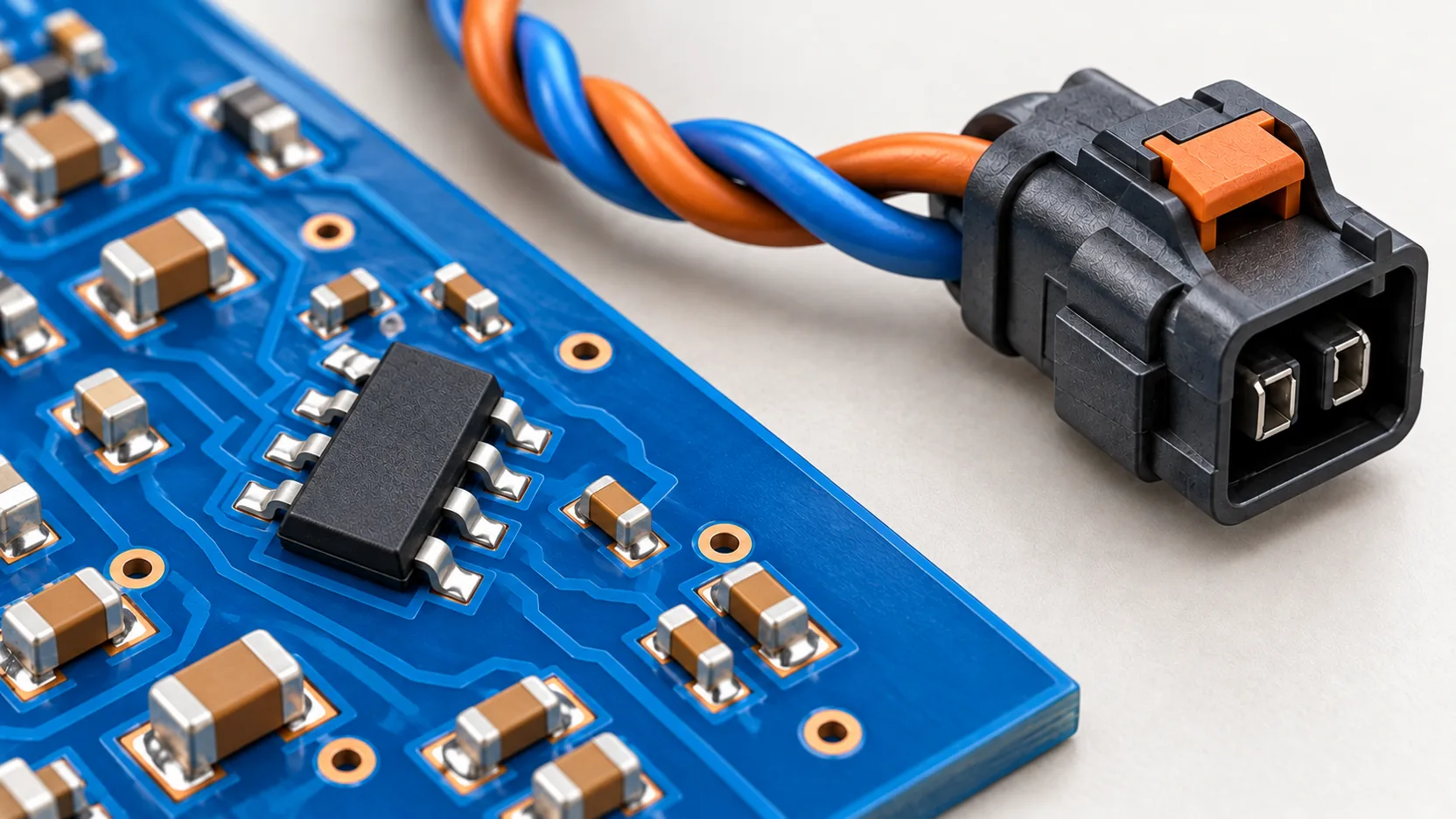
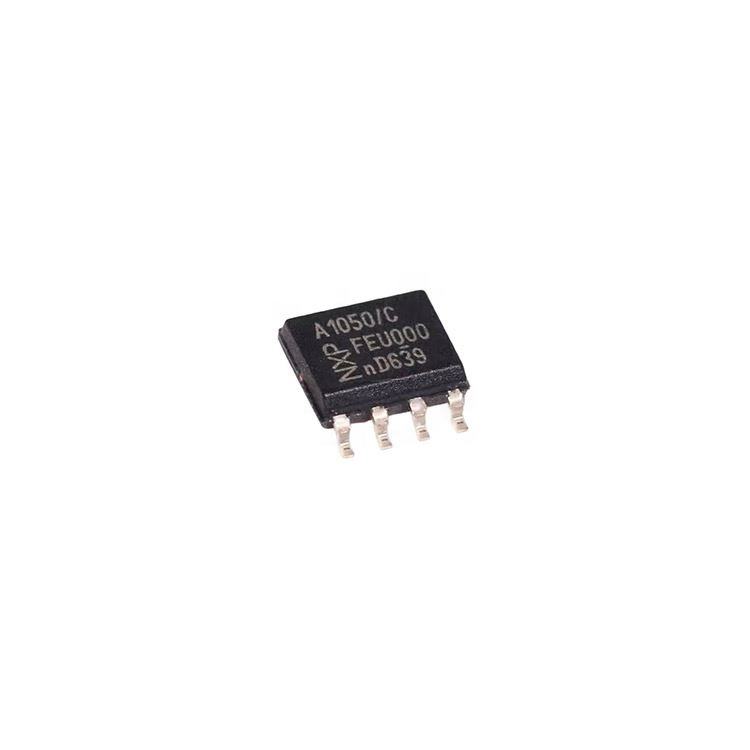
The NXP TJA1050 is a classic high-speed CAN transceiver found in a huge number of industrial and automotive designs. Distributor data now lists common TJA1050 ordering codes, such as TJA1050T/CM,118, as Last Time Buy. If your product still uses it, now is a good time to plan a replacement. This article compares the usual candidates and the pins that need attention.
Why Pin 5 and Pin 8 Matter
Most 8-pin CAN transceivers share the same basic layout: TXD on pin 1, GND on pin 2, VCC on pin 3, RXD on pin 4, CANL on pin 6 and CANH on pin 7. The differences are usually on pins 5 and 8:
- Pin 5 on the TJA1050 is a reference voltage output (VREF). On newer parts this pin may be unconnected or used as a VIO supply for the logic interface.
- Pin 8 on the TJA1050 selects silent mode (S). Other parts use pin 8 for standby (STB) or slope control (Rs), and the logic level and meaning differ.
A replacement can therefore share the footprint yet behave differently if pin 5 is tied to a supply or pin 8 is driven by firmware. Check both against the new datasheet before changing the part.
Candidate Replacements
| Part | Supply | Max data rate | Pin 8 | Notes |
|---|---|---|---|---|
| TJA1050 | 4.75–5.25 V | 1 Mbit/s | Silent (S) | Reference part; Last Time Buy codes |
| TJA1051 | 4.5–5.5 V | 5 Mbit/s (CAN FD) | Silent (S) | Closest functional successor; /3 variant adds VIO on pin 5 |
| TJA1042 | 4.5–5.5 V | 5 Mbit/s (CAN FD) | Standby (STB) | Low-power standby with bus wake-up; AEC-Q100 |
| TJA1462 | 4.5–5.5 V | 8 Mbit/s (CAN SIC) | Standby (STB) | Current NXP generation, 8-pin SO; AEC-Q100 |
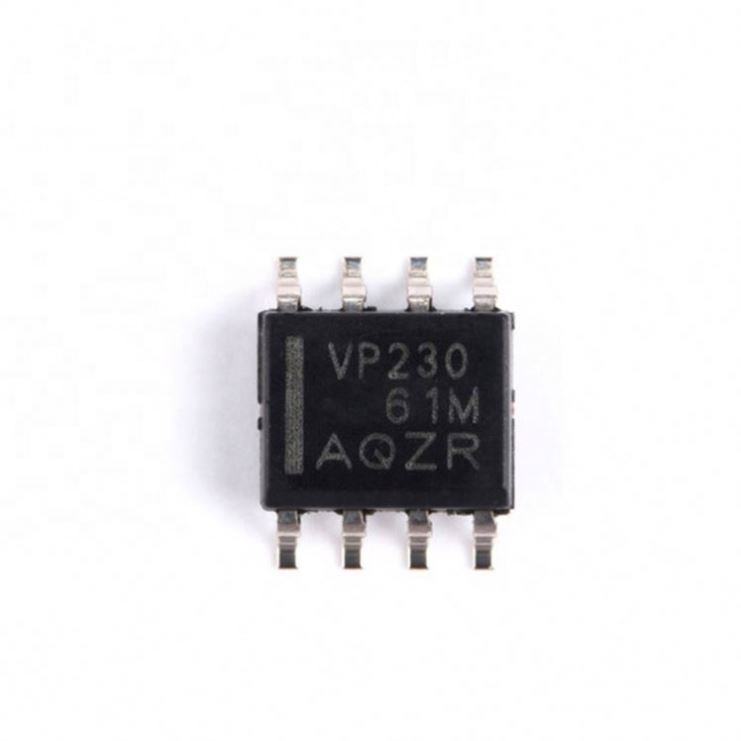
| SN65HVD230 | 3.0–3.6 V | 1 Mbit/s | Slope control (Rs) | TI part for 3.3 V systems |
Figures come from distributor product data. Some TJA1051 and TJA1042 ordering codes are also marked Last Time Buy, so always confirm the lifecycle status of the exact orderable part number, not just the base type.
Choosing Between Them
Keep the design as close as possible: the TJA1051 keeps a 5 V supply and a silent-mode pin 8, so it is usually the closest match. Check what pin 5 is connected to on your board: VREF from a TJA1050 should not be tied to a supply when the new part treats pin 5 as VIO.
Low-power systems: if the node must sleep and wake on bus activity, the TJA1042 or TJA1462 with a standby pin is the better fit, but the firmware must drive pin 8 with the new meaning.
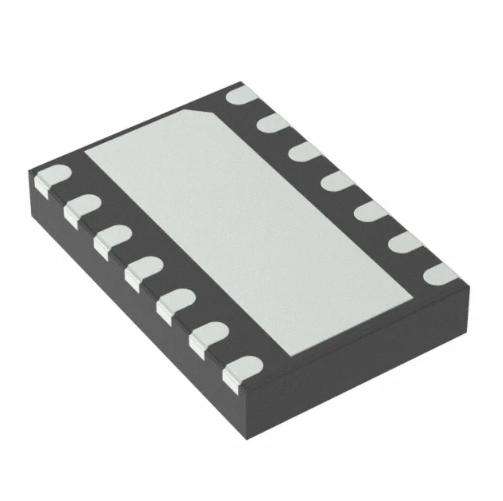
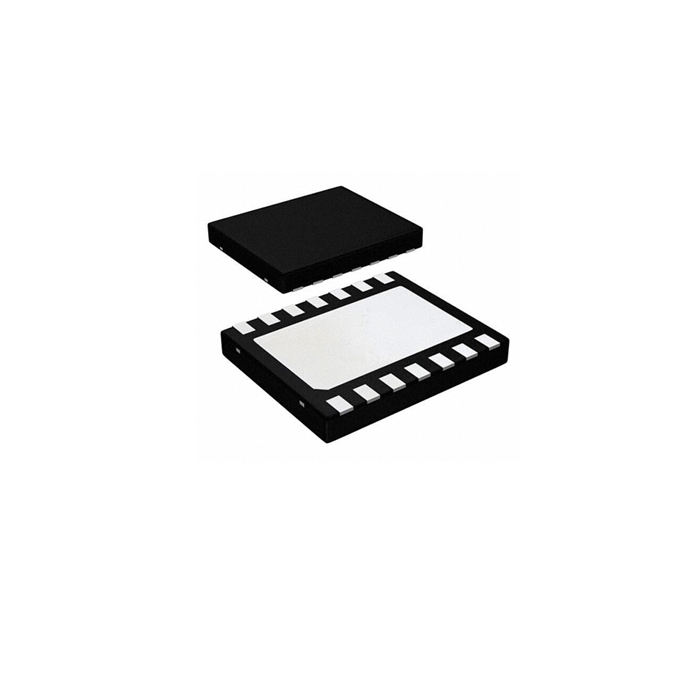
New designs and CAN FD: for new automotive or industrial projects, the TJA146x family supports higher data rates with signal improvement capability and is the current-generation option. The 8-pin TJA1462 suits the classic footprint, while the TJA1463 comes in a 14-pin HVSON package with additional sleep-mode control, so it needs a new layout.
3.3 V-only boards: the SN65HVD230 runs from 3.3 V and suits systems without a 5 V rail, such as many MCU boards. Its pin 8 controls slope and standby, so review the resistor or logic connection on that pin.
Checklist Before Switching
- Confirm pins 5 and 8 against the new datasheet and update the schematic.
- Check supply voltage and whether a separate VIO level is needed for your MCU.
- Review firmware that drives silent or standby modes.
- Confirm qualification (AEC-Q100) if the product is automotive.
- Re-run CAN bus tests, including EMC, at your actual bit rate.
- Confirm the lifecycle status of the exact ordering code.
Summary
The TJA1051 is the closest drop-in candidate for most TJA1050 designs, provided pin 5 is checked. The TJA1042 and the TJA146x family suit low-power and new designs, and the SN65HVD230 suits 3.3 V systems. Whichever you choose, verify pins 5 and 8 and the lifecycle status of the exact part number.
Still need TJA1050 for existing production, or want to compare replacements? Request a quote and we will check availability of the original part and alternatives.