STM32F103C8T6 Alternatives: Upgrade and Cost-Down Options
Options for replacing or upgrading the STM32F103C8T6: same-footprint STM32F1 parts, STM32F3, STM32G4 and STM32G0 MCUs, and what to check before you switch.
- STM32
- MCU
- Alternatives
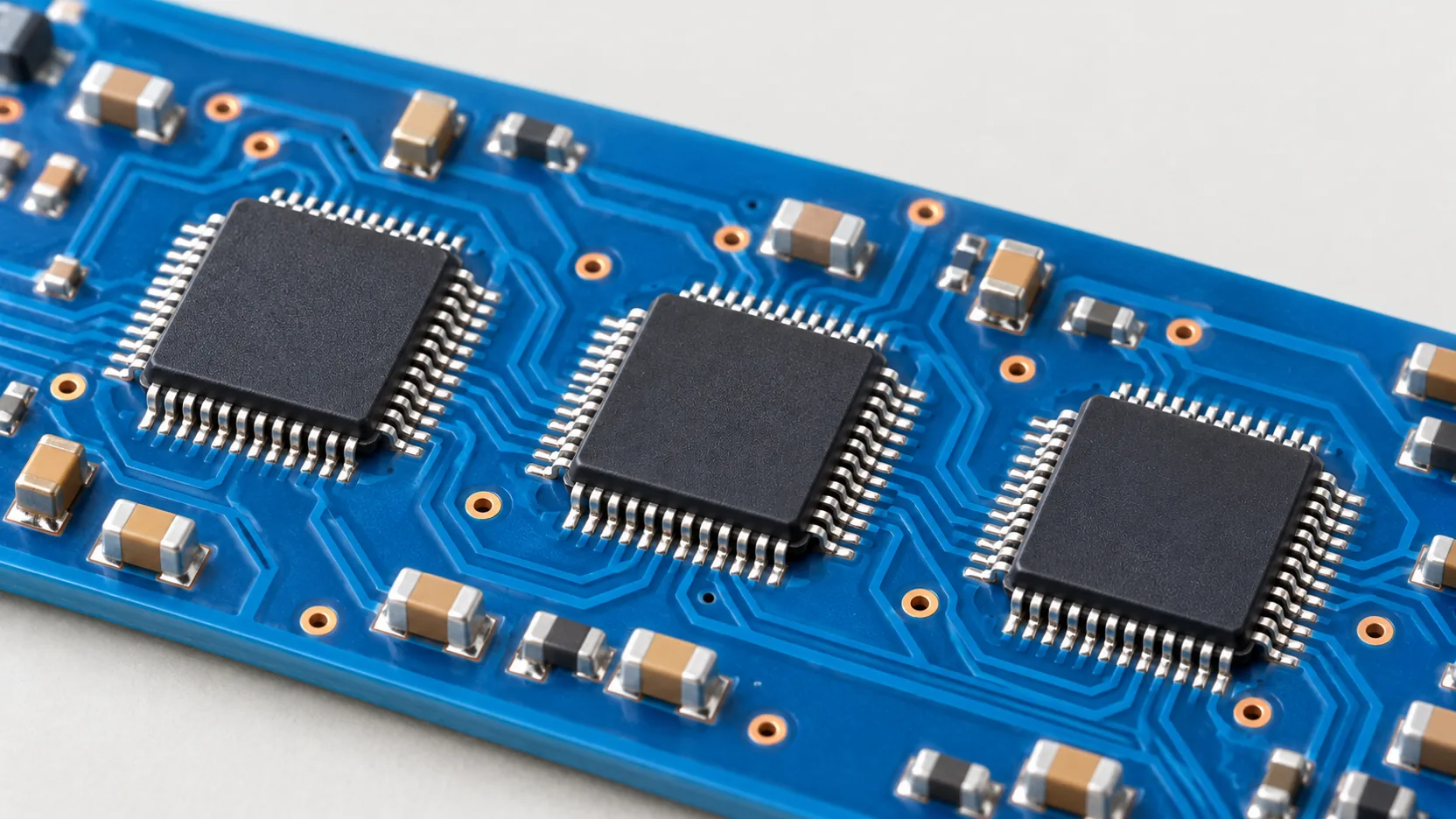
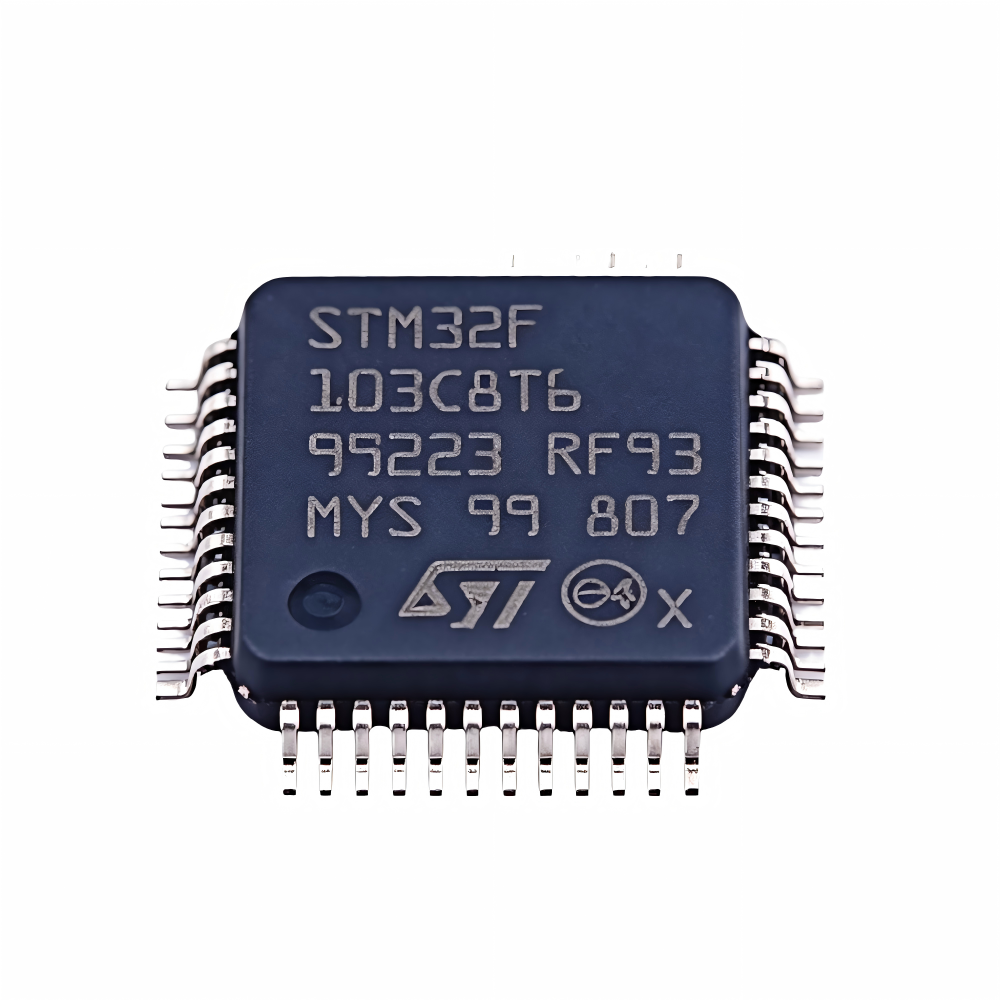
The STM32F103C8T6 is one of the most widely used 32-bit microcontrollers: an Arm Cortex-M3 at 72 MHz with 64 KB flash, 20 KB RAM, USB and CAN in a 48-pin LQFP. Because it appears in so many designs, buyers regularly look for alternatives, either to get more memory or performance, to reduce cost, or to have a second option when lead times stretch. This article compares the most common options and lists what to check before switching.
Quick Comparison
| Part | Core / speed | Flash / RAM | Package | Notes |
|---|---|---|---|---|
| STM32F103C8T6 | Cortex-M3, 72 MHz | 64 KB / 20 KB | LQFP48 | Reference part, USB and CAN |
| STM32F103CBT6 | Cortex-M3, 72 MHz | 128 KB / 20 KB | LQFP48 | Same family and pinout, more flash |
| STM32F303CCT6 | Cortex-M4, 72 MHz | 256 KB / 40 KB | LQFP48 (7x7) | FPU, DAC, richer analog; USB and CAN |
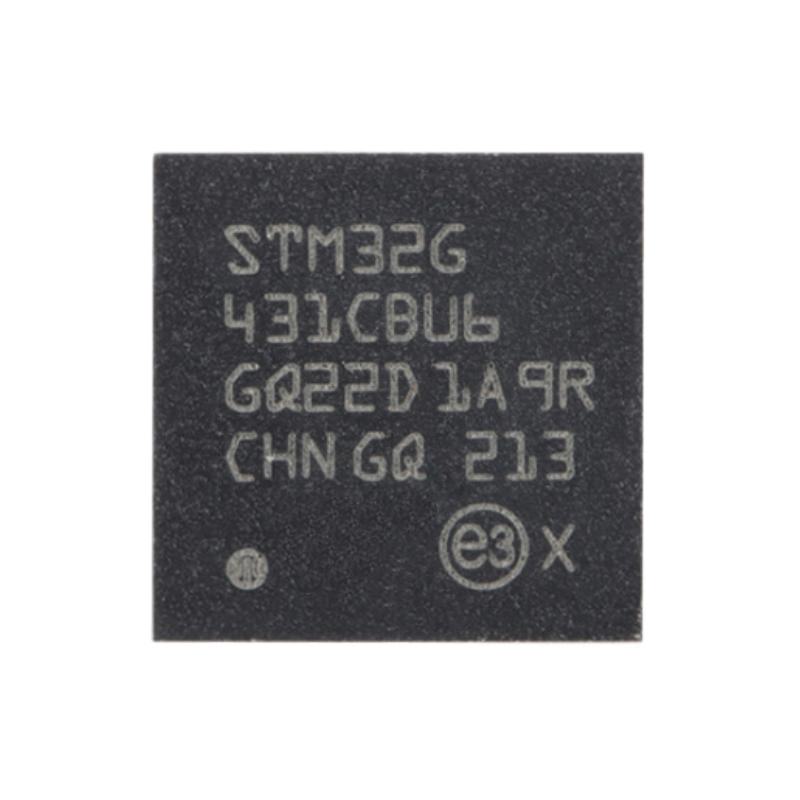
| STM32G431CBT6 | Cortex-M4F, 170 MHz | 128 KB / 32 KB | LQFP48 (7x7) | Much faster, strong analog; new pinout |
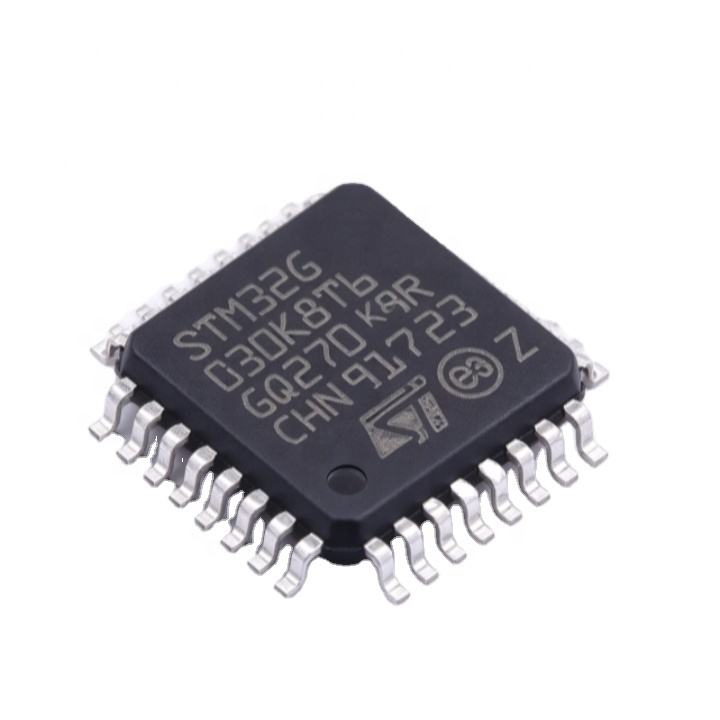
| STM32G030C8T6 | Cortex-M0+, 64 MHz | 64 KB / 8 KB | LQFP48 (7x7) | Cost-down option; no USB or CAN |
Figures are from distributor product data for the listed orderable part numbers. Always confirm against the current manufacturer datasheet.
Same Family: STM32F103CBT6
If the reason to look for an alternative is flash space, the STM32F103CBT6 is the simplest step. It uses the same Cortex-M3 core, the same 48-pin LQFP package and the same peripheral set, with 128 KB of flash instead of 64 KB. In most designs it is a drop-in replacement: the board does not change, and firmware needs at most a linker script update for the larger flash.
More Performance: STM32F303 and STM32G4
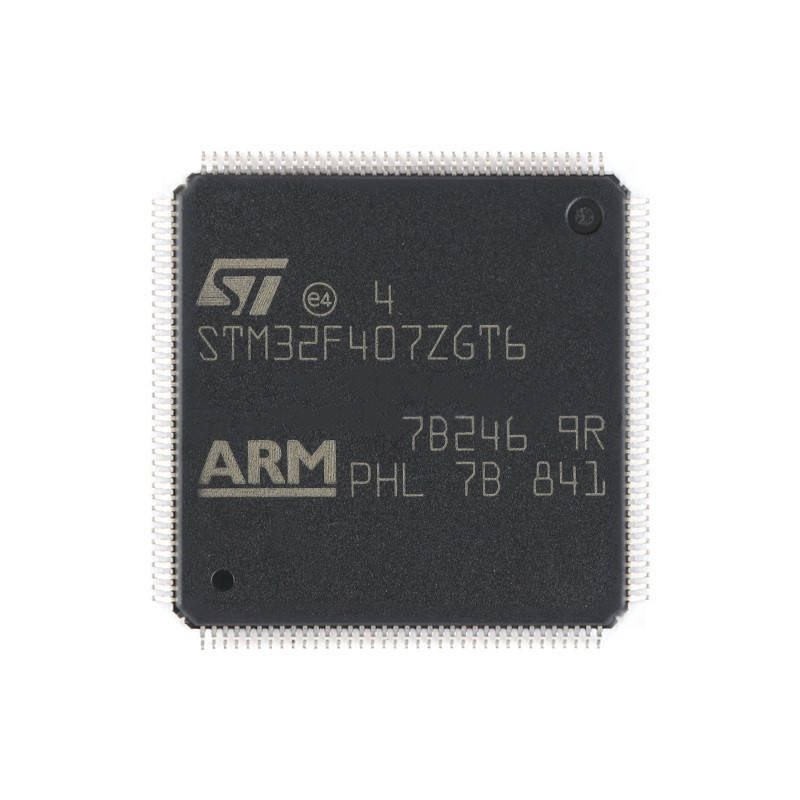
The STM32F303CCT6 keeps the 72 MHz clock but moves to a Cortex-M4 core with a floating-point unit, 256 KB flash and 40 KB RAM, and adds DACs and a richer analog front end. In the 48-pin package it is close to the F103 footprint, but power, analog and some peripheral pins differ, and peripherals such as the ADC are a different design. Plan a schematic review and firmware port rather than a drop-in swap; ST publishes migration notes for moving between STM32 families.
The STM32G431 runs at up to 170 MHz with a Cortex-M4F core, 128 KB flash, 32 KB RAM and an analog set aimed at motor control and digital power: multiple 12-bit ADCs, DACs, comparators and op-amps. It is a good fit for new designs that need more processing, but it is not pin-compatible with the F103 and its peripherals differ, so check that every interface your design uses is available on the exact part. Treat it as a redesign target.
Lower Cost: STM32G030
For simple control tasks, the STM32G030 family offers a Cortex-M0+ at 64 MHz with 64 KB flash in an LQFP48 option. It is usually the lowest-cost STM32 path, but it has only 8 KB RAM and no USB or CAN, so it only suits designs that do not use those interfaces. Firmware needs porting, since the core and peripherals differ.
Third-Party Compatible MCUs
Several manufacturers offer devices marketed as pin-compatible with the STM32F103C8T6, for example GigaDevice GD32F103C8T6, Geehy APM32F103C8T6 and WCH CH32F103C8T6. They can be useful as second sources, but they are not identical: clock limits, flash timing, peripheral behavior and errata differ. If you consider one, test the firmware on the actual part, check the electrical characteristics, and get approval from your quality team before production.
What to Check Before Switching
- Pinout and footprint: compare power, ground and analog supply pins, not only the package name.
- Peripherals in use: USB, CAN and the number of timers, UARTs and ADC channels.
- Memory: flash and RAM headroom for future firmware updates.
- Clock and boot: oscillator configuration, flash wait states and boot pins.
- Temperature grade: the "6" suffix denotes -40 to 85 °C; check whether you need an extended range.
- Lifecycle and supply: confirm the status of the exact orderable part number.
Summary
For more flash with no board change, use the STM32F103CBT6. For more performance, evaluate the STM32F303 for a close migration or the STM32G4 for a new design. For cost-down projects without USB or CAN, consider the STM32G030. Whichever path you take, check the pinout, peripherals and firmware on the real part.
Need the STM32F103C8T6 or one of these alternatives? Request a quote or send us your BOM and we will check availability for each option.